AFRICAN LEADERSHIP • EDUCATION • SOCIAL IMPACT
CECILIA OCHOL
Education Leader • Institution Builder • Philanthropist
Cecilia Ochol is an education leader and philanthropist advancing opportunity through training, healthcare and community impact. In 2026, she was recognised among the 100 Africa Most Influential Persons.
2026 Continental Recognition
100 Africa Most Influential Persons

Continental Recognition
100 Africa Most Influential Persons Awards 2026
Cecilia Ochol has been named among the 100 Africa Most Influential Persons recognised in the 2026 programme — a continental acknowledgement of leadership that builds institutions and serves communities.
The recognition places her education and social-impact work on a larger African stage, alongside leaders whose conduct and achievements have positively influenced society, institutions and communities.
25 SEPTEMBER 2026
M Hotel • Kigali, Rwanda
About the Recognition
The programme recognises individuals whose leadership, professional conduct and achievements have positively influenced African society, economic activity, institutions or communities. Selection follows research and expert assessment of impact, leadership, integrity, professional capacity, public engagement and social responsibility.
Learn About the Awards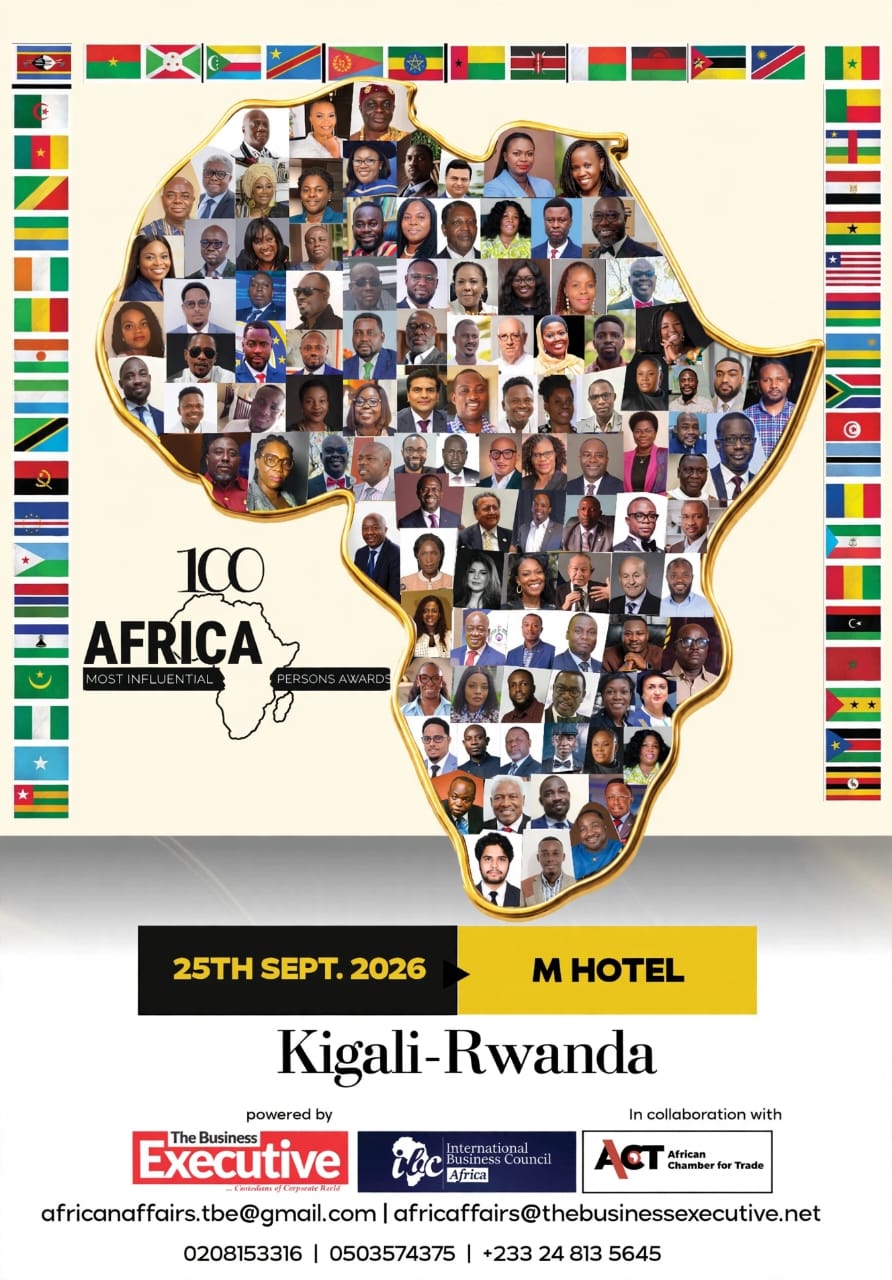
The Woman Behind the Work
About Cecilia Ochol
Cecilia Ochol is a Kenyan education leader and philanthropist whose work has developed at the intersection of education, healthcare, youth opportunity and community development.
Her leadership at JFC Munene College of Health Sciences reflects a view of education that goes beyond certification. She has consistently advocated for training that gives learners both professional competence and the character to use that competence responsibly.
Outside formal education, her work through Lil Magic Foundation has taken the same philosophy into communities. There, the issues may be nutrition, vulnerable households, young motherhood, community health or livelihoods, but the underlying approach is similar: support people in ways that strengthen their ability to move forward.
Her career is difficult to describe through a single title. She works in education, but her concern is opportunity. She leads institutions, but much of her attention remains on people who may never enter a boardroom. She supports philanthropy, but increasingly frames meaningful support around dignity, resilience and self-reliance rather than dependency.
Education as an Equaliser
Cecilia's philosophy of education has remained consistent: learning should prepare a person not only for employment, but for life.
For her, a successful graduate is not simply someone who has passed examinations. It is someone equipped to solve problems, earn a livelihood, serve professionally and contribute to the community around them.
Education should not simply prepare people to find work. It should prepare them to create value, solve problems and live with purpose.
Her Work
Five Pillars
01
Education
Opening pathways to knowledge, competence and economic opportunity.
01
Education
Opening pathways to knowledge, competence and economic opportunity.
02
Healthcare
Preparing the people who make healthcare systems work.
02
Healthcare
Preparing the people who make healthcare systems work.
03
Philanthropy
Moving from generosity to structured, sustainable support.
03
Philanthropy
Moving from generosity to structured, sustainable support.
04
Youth
Creating room for talent, education and mentorship to coexist.
04
Youth
Creating room for talent, education and mentorship to coexist.
05
Community
Building solutions with people, not simply for them.
05
Community
Building solutions with people, not simply for them.
Leadership & Institution Building
Building Institutions That Outlive the Moment
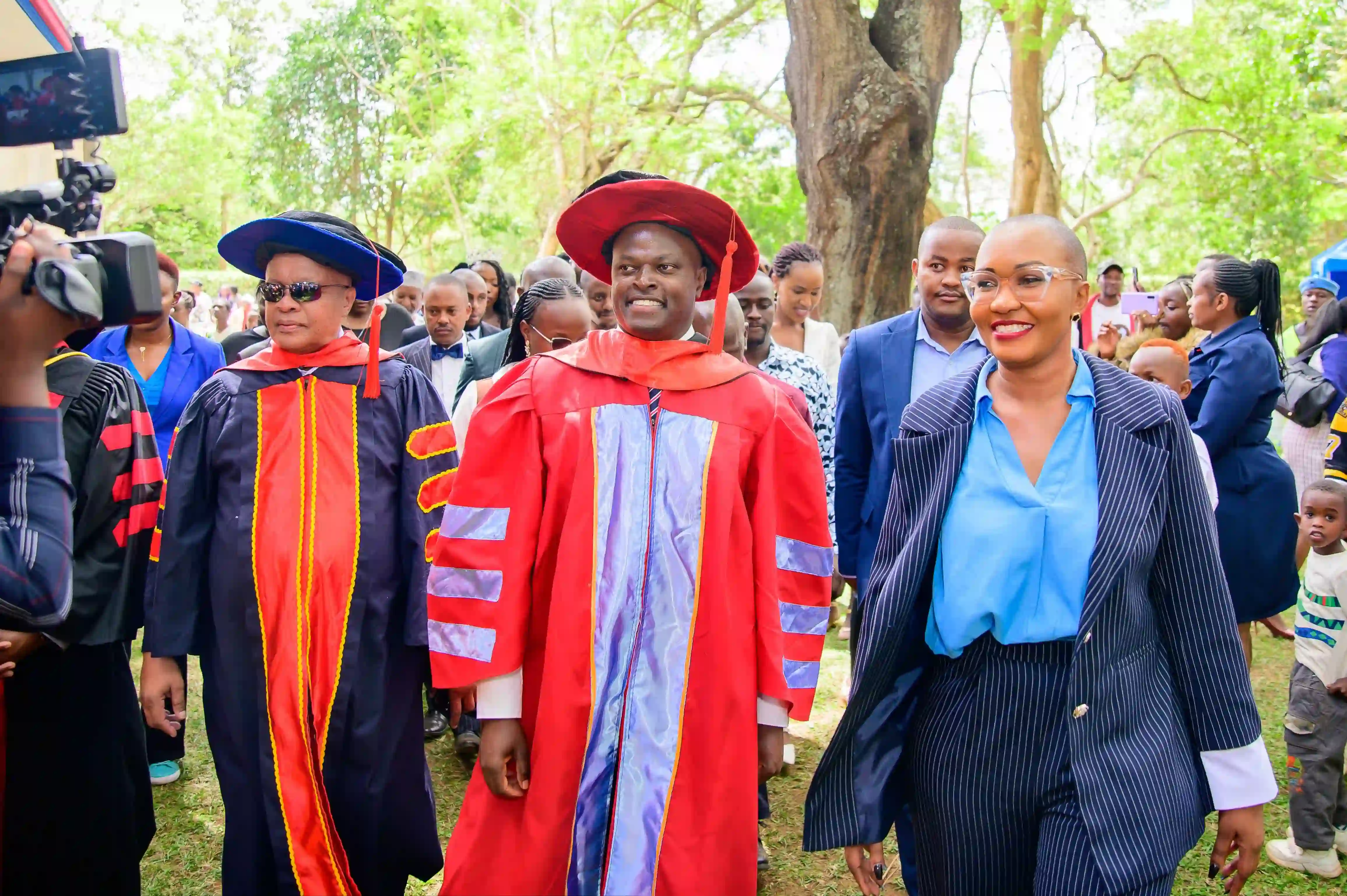
Institution building rarely happens through a single dramatic moment. It develops through years of decisions about people, standards, systems, partnerships and the kind of culture an organisation wants to create.
At JFC Munene College of Health Sciences, Cecilia's leadership has been closely associated with the College's effort to develop practical health sciences training capable of responding to workforce needs.
Her approach emphasises that an institution's responsibility does not end when a learner receives a certificate. Training must connect to competence, professionalism, ethics and the capacity to respond to real problems.
Buildings create a campus. People, standards and purpose create an institution.
Training the People Behind Healthcare
One of Cecilia's strongest public arguments has been that healthcare development cannot be discussed only in terms of hospitals, equipment and financing.
A facility can be built and equipment purchased, but healthcare still depends on trained people capable of using those resources effectively.
Her advocacy has drawn attention to the importance of middle-level health professionals and the need to strengthen the education pipeline that prepares them.
A hospital can be constructed in months. Building the human capacity to make it work takes education, practice, mentorship and time.
A Voice for Fairer Education Financing
Cecilia has also entered the public conversation around access to education financing. In 2026, amid calls for the Higher Education Loans Board framework to better accommodate learners in private colleges, Cecilia argued that expanding access to education financing would enable more young people to acquire professional skills and contribute meaningfully to national development. Kenya News Agency reported her comments in the wider debate about learners in private TVET and tertiary institutions who struggle to access government-supported education finance. Her position reflects a broader concern in her work: a capable learner should not lose a professional future simply because the available financing architecture does not fit the institution they attend. This is not merely a question of private versus public education. It is a question about the skilled workforce Kenya ultimately needs—and whether qualified young people are being given realistic pathways into it.
Compassion in Action
Lil Magic Foundation
Long before philanthropy became part of Cecilia's public profile, community work had already become part of her life.
Lil Magic Foundation was established as a community-focused initiative and has developed work around nutrition, community health, mothers, elderly households, livelihoods and vulnerable communities.
The Foundation's story is not one grand intervention. It is made up of smaller realities: a mother trying to establish a source of income; an elderly household needing nutritional support; a Community Health Volunteer requiring training; a child whose nutritional wellbeing needs attention; or a woman in custody navigating pregnancy or breastfeeding.
For Cecilia, philanthropy is most useful when it moves beyond a moment of relief and begins restoring a person's confidence and ability to act for themselves.
Young Mothers
Community Health
Child Nutrition
Elderly Households
Livelihoods
Mentorship
Vulnerable Communities
Spotlight: supporting young mothers
Early motherhood can quickly alter a young woman's education, employment and economic prospects.
Cecilia's work with young mothers has therefore focused not only on immediate assistance but on confidence, mentorship, self-reliance and economic opportunity.
The approach rejects the idea that becoming a mother early should permanently narrow a woman's future.
Motherhood may change a young woman's path. It should not end her possibilities.
Impact Stories
Lives Behind the Numbers
Young Mothers
A Second Chance Should Still Be a Real Chance
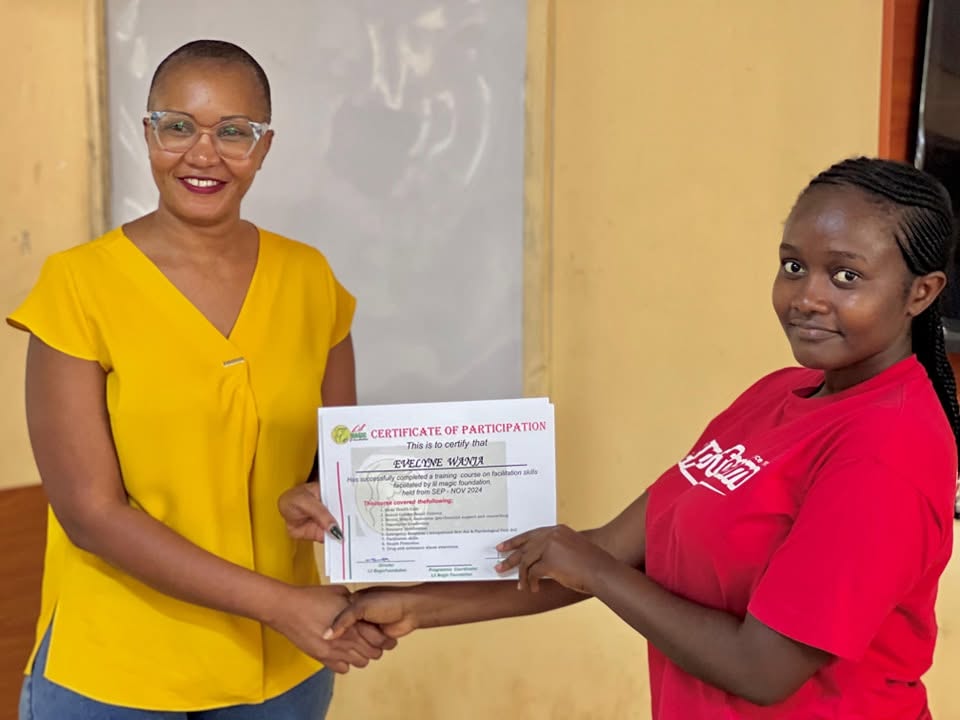
Early motherhood can quickly alter a young woman's education, employment and economic prospects.
Cecilia's work with young mothers has therefore focused not only on immediate assistance but on confidence, mentorship, self-reliance and economic opportunity.
Motherhood may change a young woman's path. It should not end her possibilities.
Community Health
Taking Health Beyond the Clinic
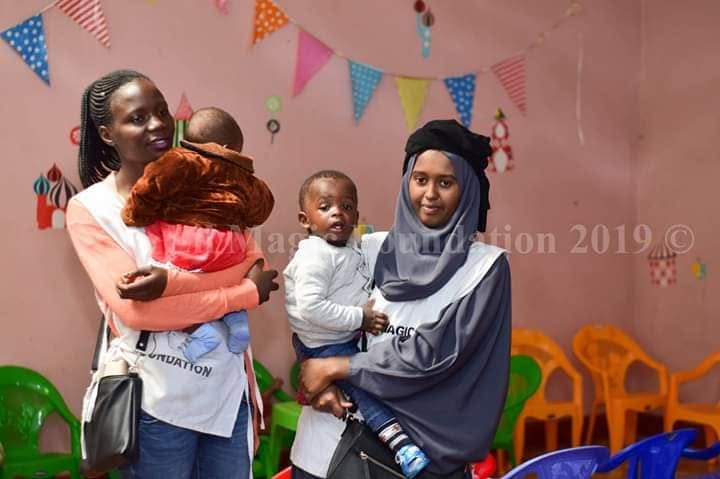
Some of Lil Magic Foundation's most practical work has happened outside formal healthcare facilities.
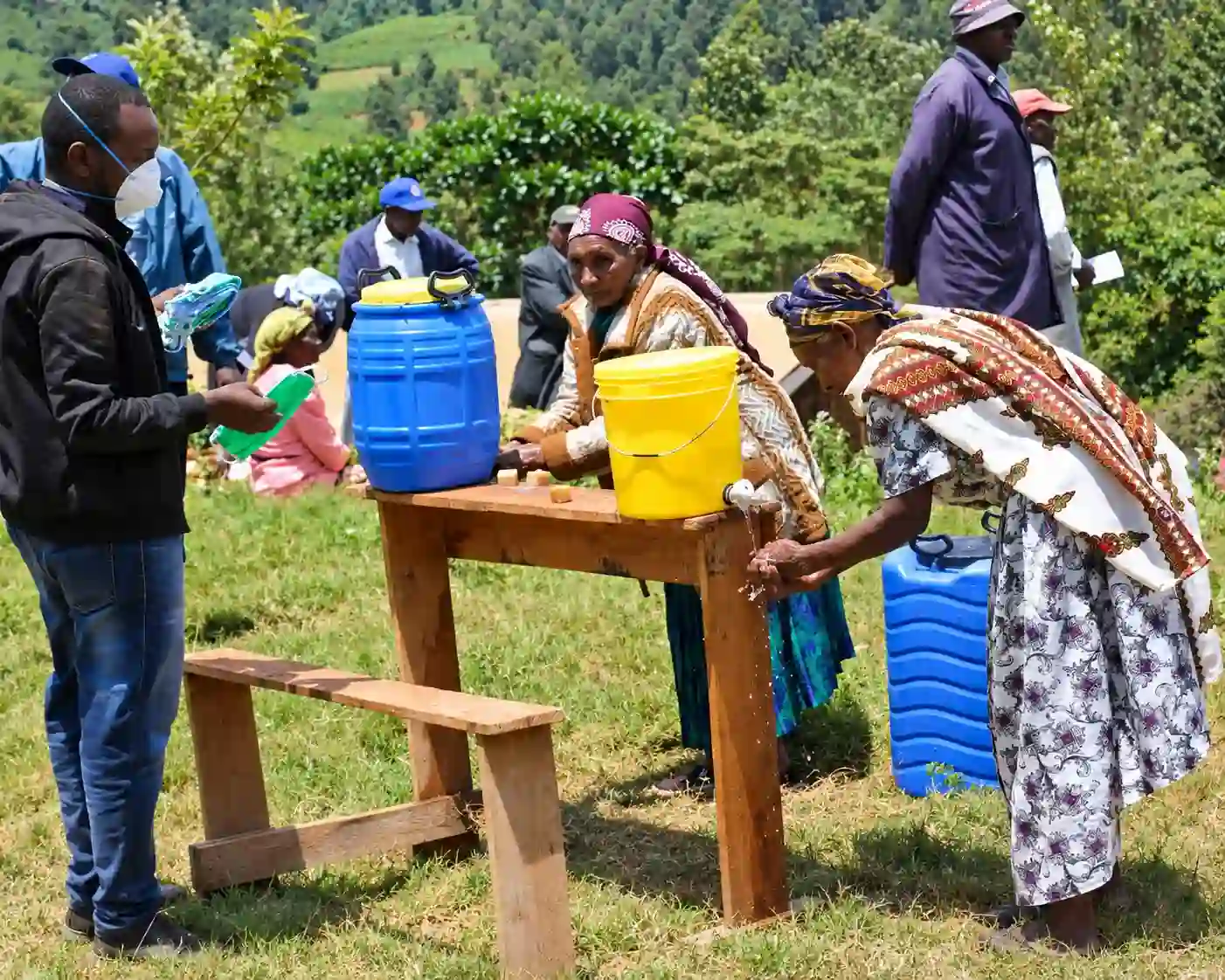
The Foundation reports several years of engagement with communities including Gachagi, Goshen, Kiandutu and Umoja in Thika West, particularly around people living with HIV and community-health support. Its programmes have included training Community Health Volunteers who help connect services and information to households.
The Foundation has also reported work addressing nutrition, chronic non-communicable disease screening, substance abuse, teenage pregnancy, gender-based violence and adherence support.
What connects these interventions is proximity. They begin from the understanding that many health challenges are first experienced at home and in communities, long before someone walks through the doors of a hospital.
For Cecilia, that reinforces an important principle: healthcare is strongest when institutions and communities are able to meet each other.
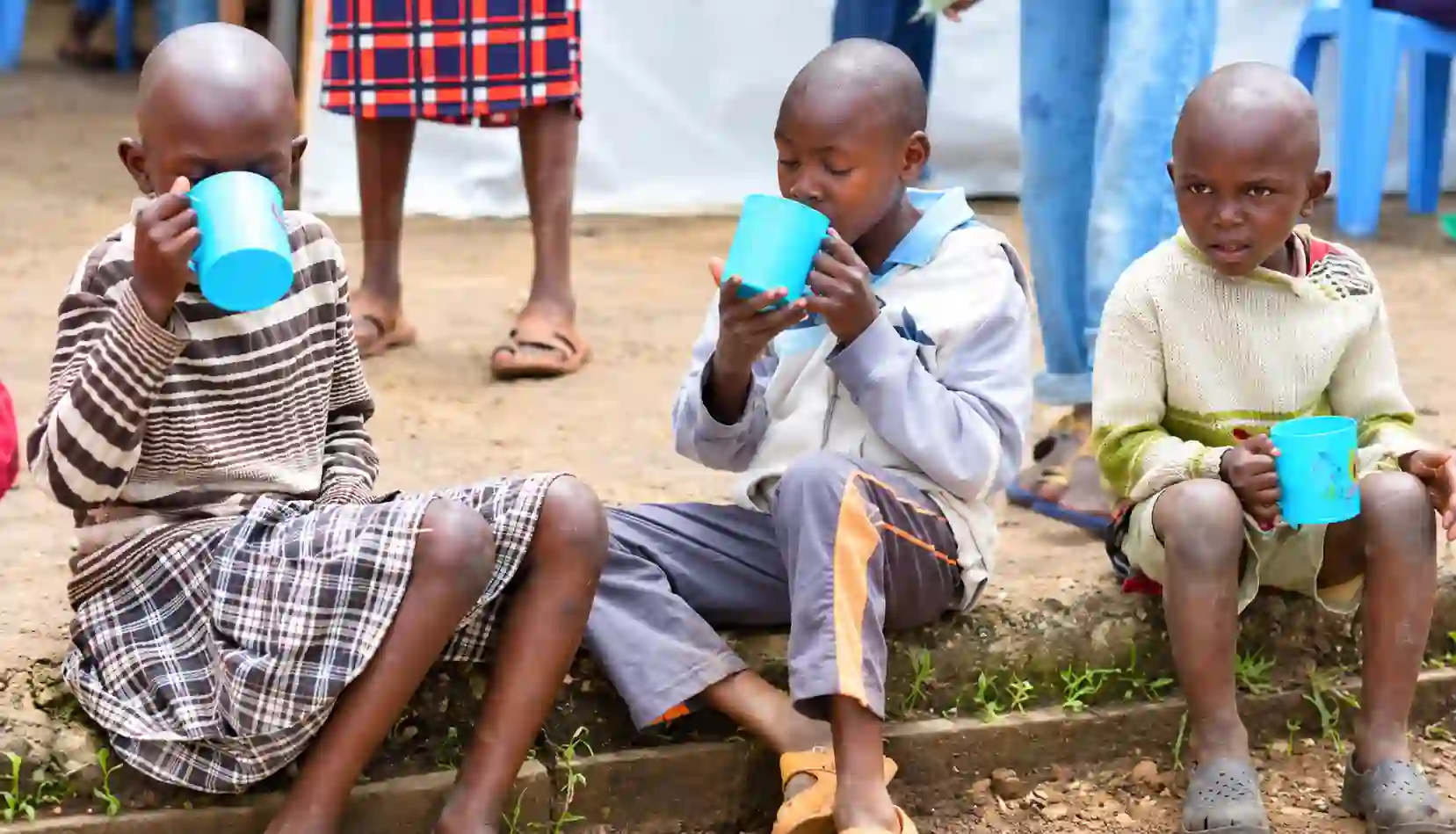
Uji Kwa Watoto Mtaani
Beginning With the Smallest
In January 2023, Lil Magic Foundation launched Uji Kwa Watoto Mtaani, an initiative targeting children under five in communities including Gachagi, Goshen and Kiandutu.
The programme combined child nutrition screening with a broader community-health approach. According to the Foundation's account, activities also considered chronic disease risks and social challenges affecting households, including substance abuse, teenage pregnancy, gender-based violence and HIV treatment adherence.
Its significance lies in the recognition that childhood nutrition does not exist in isolation. A child's wellbeing is affected by the stability, health, knowledge and economic circumstances of the household around them.
The programme therefore reflects a theme that appears repeatedly in Cecilia's community work: address the immediate need, but do not ignore the environment that created it.
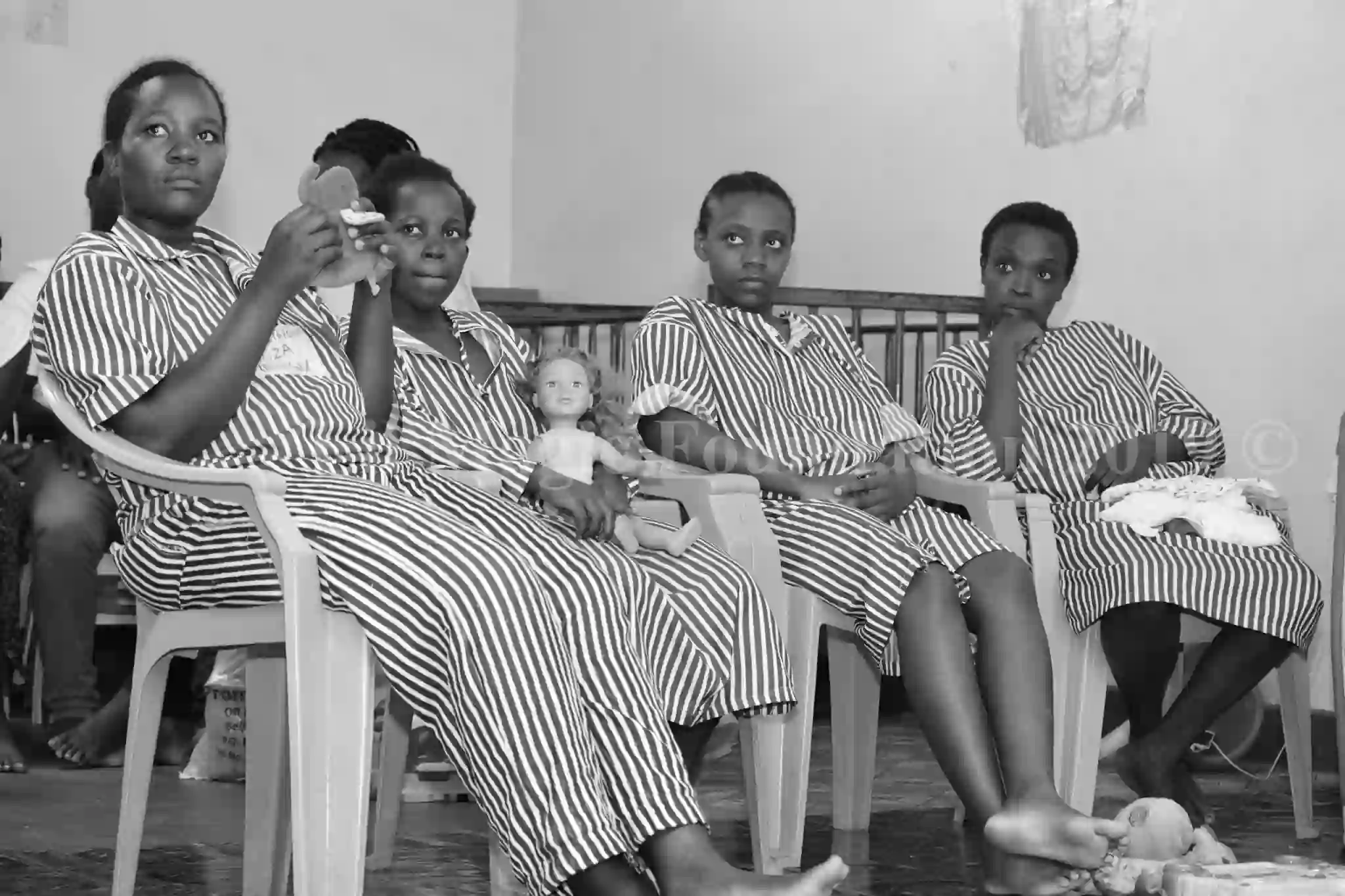
Women in Custody
Dignity Does Not End at the Prison Gate
In the final quarter of 2022, Lil Magic Foundation collaborated with Thika Women Prison on a programme for expectant and lactating mothers in custody. The Foundation reports that the engagement included a ten-day training programme.
The significance of the initiative was not simply where it took place, but whom it chose not to overlook.
Women in custody can easily disappear from ordinary community conversations about maternal support, yet pregnancy, breastfeeding, nutrition and the wellbeing of children remain real regardless of a mother's legal circumstances.
For Cecilia, service is most meaningful when dignity is not reserved only for people whose circumstances are convenient.
That is an important part of the Lil Magic story: looking for groups that are easily missed and asking what practical support can still be offered.
People & Causes She Champions
A Life Lived in Service
01
The Boy Child
Mentorship • Wellbeing • Positive Development
Read more
Cecilia's advocacy for boys and young men grows from a concern that they must not be allowed to drift quietly to the margins.
Her position is not that boys should be supported instead of girls. It is that healthy communities require both to be intentionally nurtured.
Through initiatives connecting education, mentorship and talent development — including Elimisha Kijana, which links talent and education — she has emphasised discipline, responsibility, emotional wellbeing and opportunity.
The boy child does not need sympathy. He needs guidance, expectations, opportunity and people willing to remain present.
Cecilia's advocacy for boys and young men grows from a concern that they must not be allowed to drift quietly to the margins.
Her position is not that boys should be supported instead of girls. It is that healthy communities require both to be intentionally nurtured.
Through initiatives connecting education, mentorship and talent development — including Elimisha Kijana, which links talent and education — she has emphasised discipline, responsibility, emotional wellbeing and opportunity.
The boy child does not need sympathy. He needs guidance, expectations, opportunity and people willing to remain present.
02
Women & Leadership
Confidence • Leadership • Opportunity
Read more
Cecilia's advocacy for women is closely connected to mentorship.
Her approach asks not only how many women reach positions of leadership, but what opportunities they create for those coming behind them.
The question is not simply: ‘How many women have reached the table?’
It is also: ‘What doors are they opening for those coming behind them?’
Cecilia's advocacy for women is closely connected to mentorship.
Her approach asks not only how many women reach positions of leadership, but what opportunities they create for those coming behind them.
The question is not simply: ‘How many women have reached the table?’
It is also: ‘What doors are they opening for those coming behind them?’
03
Youth Opportunity
Education • Talent • Mentorship
Read more
Creating room for talent, education and mentorship to coexist — so young people can learn, grow and lead.
Creating room for talent, education and mentorship to coexist — so young people can learn, grow and lead.
Influence Measured in Lives
Public recognition often reduces leadership to titles, photographs and ceremonies.
Cecilia's story makes more sense through a different lens.
The student who receives professional training.
The mother who rebuilds confidence after a difficult beginning.
The Community Health Volunteer equipped to serve a neighbourhood.
The young footballer discovering that talent and education can exist together.
The household receiving health or nutrition support.
The graduate being challenged to become a solution rather than wait for one.
Influence, in this sense, is not how many people know a person's name.
It is how many possibilities become more reachable because that person chose to build, teach, mentor, serve or speak.
- 01A student prepared for professional service.
- 02A mother rebuilding confidence and economic independence.
- 03A Community Health Volunteer equipped to serve a neighbourhood.
- 04A young person finding direction through education and mentorship.
- 05A household reached through community health support.
Influence is not simply how many people know a person's name. It is how many possibilities become more reachable because that person chose to build, teach, mentor, serve or speak.
Her Journey
Milestones of Purpose
2010
Lil Magic Foundation
A community-focused social-impact journey begins.
2020
Books for Peace
International service recognition.
2020
JFC Munene College
A new chapter in health sciences education.
2024
Edupreneur Recognition
2025
Academic Leadership Recognition
2026
Women Achievers Africa
2026
100 Africa Most Influential Persons
Continental recognition in Kigali, Rwanda.
Honours & Recognition
Recognition Along the Journey
Cecilia's awards are better understood as markers along the journey than as its purpose.
2026
100 Africa Most Influential Persons
100 Africa Most Influential Persons Awards
M Hotel, Kigali, Rwanda
Continental recognition for leadership and social impact.
2026
Women Achievers Africa
Women Achievers Africa
2025
Academic Leadership Trailblazer
2025
Edupreneur Recognition
2024
Edupreneur of the Year
2020
Books for Peace International Award
Books for Peace
International service recognition.
The Journey Continues
Recognition Is a Moment.
The Work Is the Legacy.
The 100 Africa Most Influential Persons recognition brings Cecilia Ochol's work onto a larger continental stage, but it does not change the questions that have shaped her journey.
How do we make education more useful?
How do we train the people communities genuinely need?
How do we support a young mother without reducing her to her circumstances?
How do we ensure that a boy with talent also has direction?
How do we build institutions that remain useful beyond their founders and leaders?
How do we turn compassion into something organised enough to make a lasting difference?
These questions do not have easy answers. Cecilia's journey has been an attempt to keep working on them—through institutions, programmes, partnerships and people.
Kigali is a milestone. It is not the destination.