Diploma
Applied Sciences
Physical

Diploma in Biotechnology

Comprehensive training in biotechnology principles, laboratory techniques, and research methodologies for careers in hea

2 years Next: January 2027 Physical
Diploma in Biotechnology

Course Overview

The Diploma in Biotechnology (CDACC Level 6) is a competency-based programme designed to equip learners with practical scientific knowledge and technical skills required in modern biological and biotechnology laboratories. The programme combines biological sciences, laboratory technology, molecular biology, microbiology, genetics, biochemistry, quality assurance, and industrial biotechnology to prepare graduates for careers in healthcare, agriculture, research, pharmaceuticals, food processing, environmental conservation, and manufacturing.

Developed under the Competency-Based Education and Training (CBET) framework by TVET CDACC, the course emphasizes hands-on laboratory experience, industrial attachment, problem-solving, innovation, entrepreneurship, and workplace readiness. Graduates develop competencies in laboratory procedures, biotechnology techniques, research support, quality control, biosafety, and biotechnology applications across multiple industries.
Learning Outcomes

Apply biological and biotechnology principles in laboratory and industrial settings.

Conduct microbiological, biochemical, and molecular biology experiments.

Perform laboratory tests using modern biotechnology equipment.

Apply genetic engineering and biotechnology techniques safely and ethically.

Maintain laboratory quality assurance and quality control systems.

Observe biosafety, biosecurity, and environmental protection standards.

Collect, analyse, interpret, and document scientific data accurately.

Support research and product development in biotechnology industries.

Develop innovative biotechnology-based solutions for healthcare, agriculture, food production, and environmental management.

Demonstrate professionalism, teamwork, communication, entrepreneurship, and digital competency.

Course Curriculum

01

Introduction to the Field

3 Lessons · 1 Practicals · 1 Assignments · 1 Assessments

  • Overview and Scope2 hrs
  • Historical Development1.5 hrs
  • Professional Ethics2 hrs
02

Core Principles & Practice

3 Lessons · 2 Practicals · 1 Assignments · 1 Assessments

  • Fundamental Concepts3 hrs
  • Practical Applications2 hrs
  • Case Studies2 hrs
03

Advanced Techniques

3 Lessons · 2 Practicals · 2 Assignments · 1 Assessments

  • Advanced Methodologies3 hrs
  • Laboratory Techniques3 hrs
  • Data Analysis2 hrs
04

Clinical & Field Attachment

3 Lessons · 40 Practicals · 1 Assignments · 1 Assessments

  • Clinical Placement Orientation2 hrs
  • Supervised Practice40 hrs
  • Logbook & PortfolioSelf-paced
05

Research & Innovation

3 Lessons · 1 Practicals · 2 Assignments · 1 Assessments

  • Research Methodology3 hrs
  • Project Design2 hrs
  • Data Collection & Analysis3 hrs
06

Final Examination & Graduation

3 Lessons · 0 Practicals · 0 Assignments · 2 Assessments

  • Revision & Mock Exams4 hrs
  • Final Theory Exam3 hrs
  • Practical Exam3 hrs

Entry Requirements

  • KCSE Mean Grade C- (Minus) or its equivalent;

OR

  • Relevant Level 5 Certificate qualification recognized under the Kenya National Qualifications Framework (KNQF).

Although institutions may admit students based on the minimum CDACC requirement, a background in the following subjects is highly advantageous:

  • Biology

  • Chemistry

  • Mathematics

  • Physics

These subjects provide a strong foundation for biotechnology laboratory work and scientific analysis.

Quick Information

Duration2 years
Next IntakeJanuary 2027
Study ModePhysical
CampusThika Main Campus
AwardDiploma in Biotechnology
LanguageEnglish
Tuition FeeContact us
Class ScheduleWeekday Morning (8:00 AM - 1:00 PM) or Evening (2:00 PM - 5:00 PM)
Deadline31 December 2026

Who Should Enroll

KCSE graduates who meet the minimum entry requirements and wish to build a career in biotechnology and laboratory sciences.

Individuals aspiring to work in medical, agricultural, pharmaceutical, food processing, environmental, or industrial laboratories.

School leavers seeking practical, competency-based training that leads to employment or further education.

Professionals looking to upgrade their technical skills in biotechnology and laboratory practices.

Certificate holders in related biological or laboratory science fields who wish to advance to a diploma qualification, subject to admission requirements.

Entrepreneurs interested in biotechnology-based ventures such as tissue culture, biofertilizer production, food biotechnology, environmental solutions, or laboratory services.

Individuals planning to pursue university degrees in Biotechnology, Microbiology, Biochemistry, Molecular Biology, Biomedical Sciences, Food Science, Environmental Science, or related disciplines.

Career Opportunities

Career Opportunities

Graduates can pursue careers across numerous sectors because biotechnology supports healthcare, agriculture, manufacturing, environmental conservation, and scientific research.

Possible job titles include:

  • Biotechnology Technician

  • Laboratory Technologist

  • Research Assistant

  • Microbiology Technician

  • Quality Control Officer

  • Quality Assurance Office

  • rLaboratory Analyst

  • Food Safety Technician

  • Pharmaceutical Production Technician

  • Biomedical Laboratory Assistant

  • Molecular Biology Laboratory Technician

  • Clinical Research Assistant

  • Agricultural Biotechnology Technician

  • Environmental Laboratory Technician

  • Tissue Culture Technician

  • Production Laboratory Technician

  • Scientific Sales Representative

  • Biotechnology Field Officer

  • Laboratory Supervisor (with experience)

  • Technical Support Officer

Certification & Accreditation

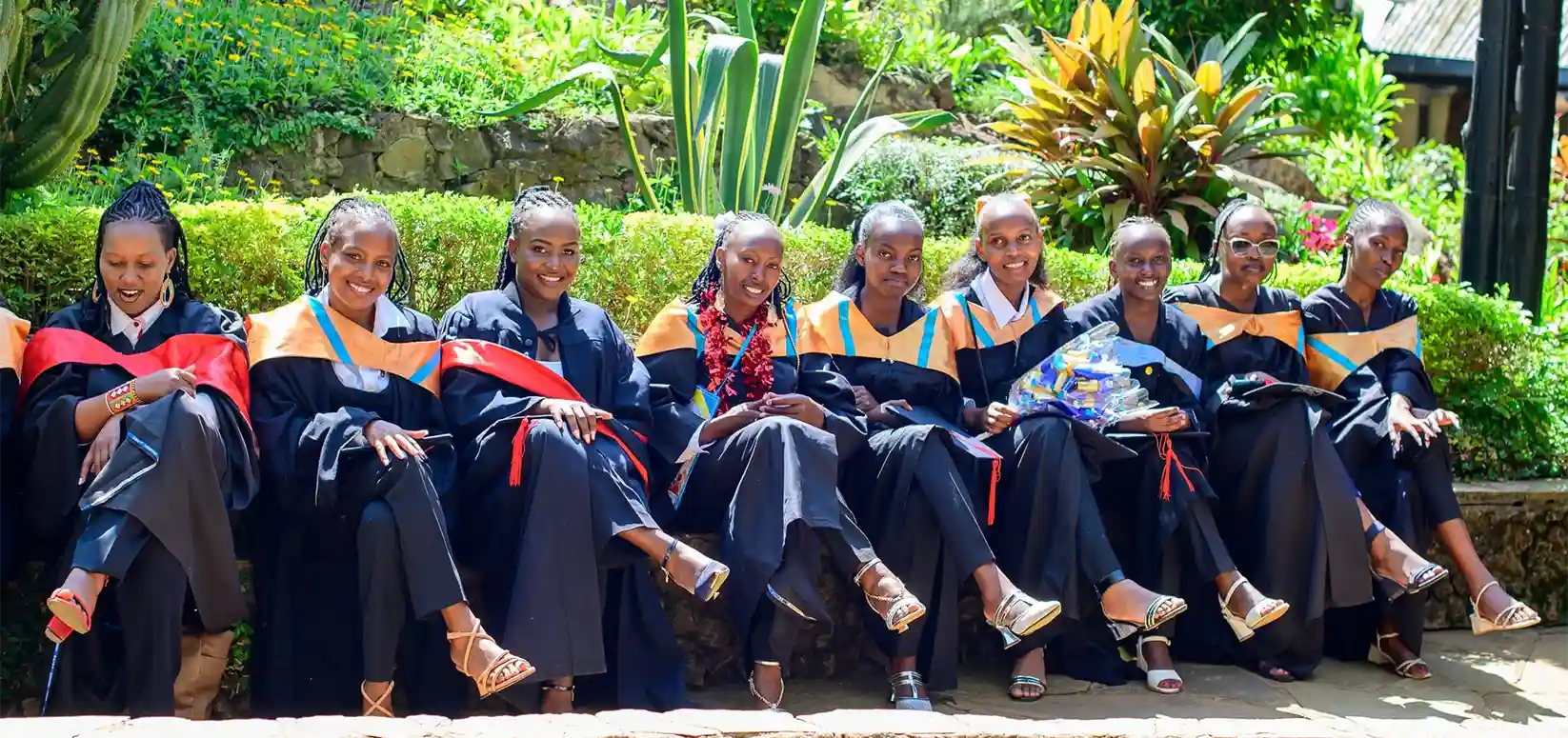
Upon successful completion, graduates are awarded a Certificate/Diploma from JFC Munene College of Health Sciences. The program is accredited by TVETA (Technical and Vocational Education and Training Authority) — Registration No: TVETA/PRIVATE/TVC/0090/2021.

Graduates are eligible for professional licensing and registration with relevant regulatory bodies in Kenya. The qualification is recognized by employers across public and private healthcare institutions.

Facilities & Learning Resources

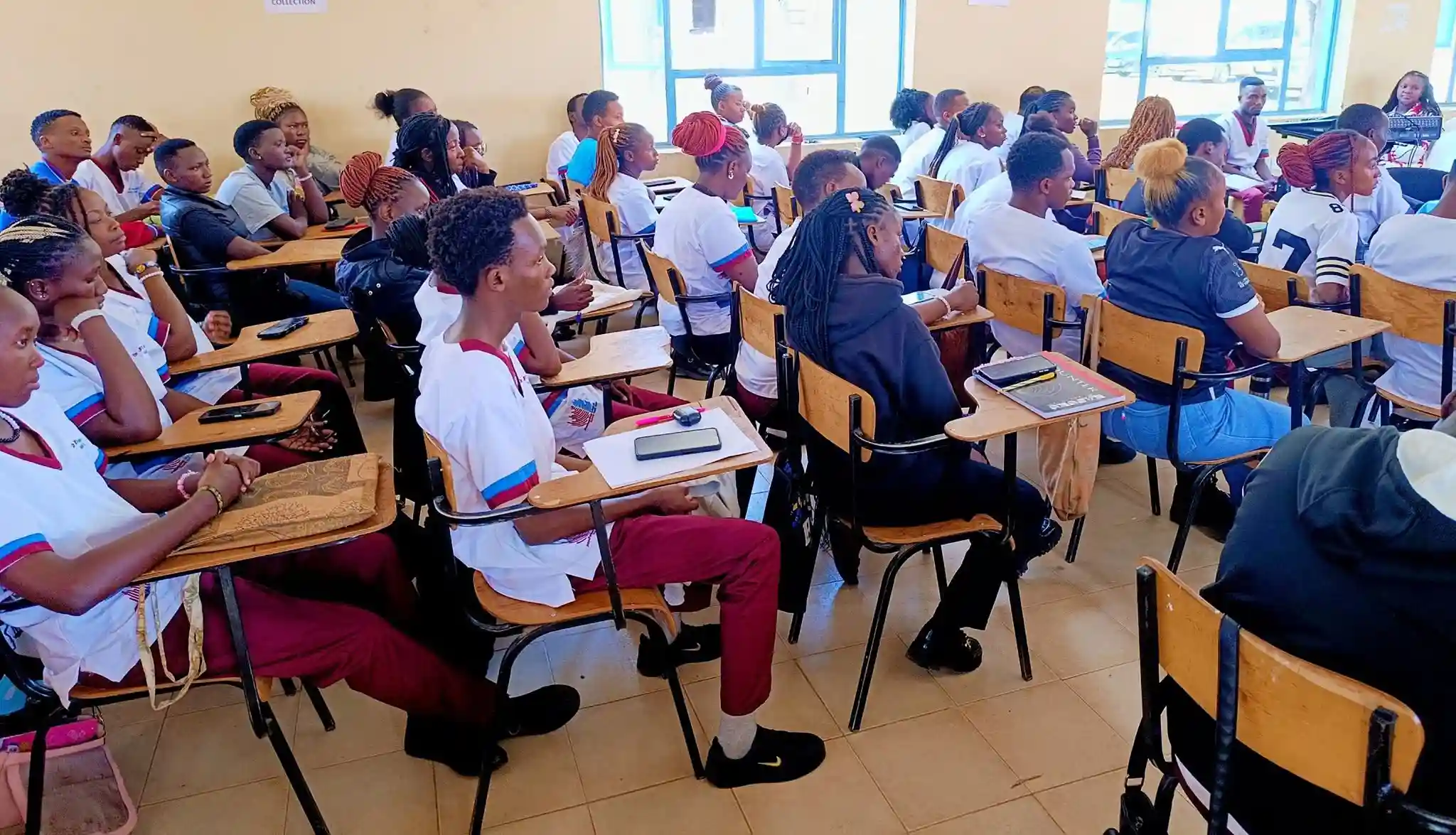
Modern lecture halls with audio-visual equipment
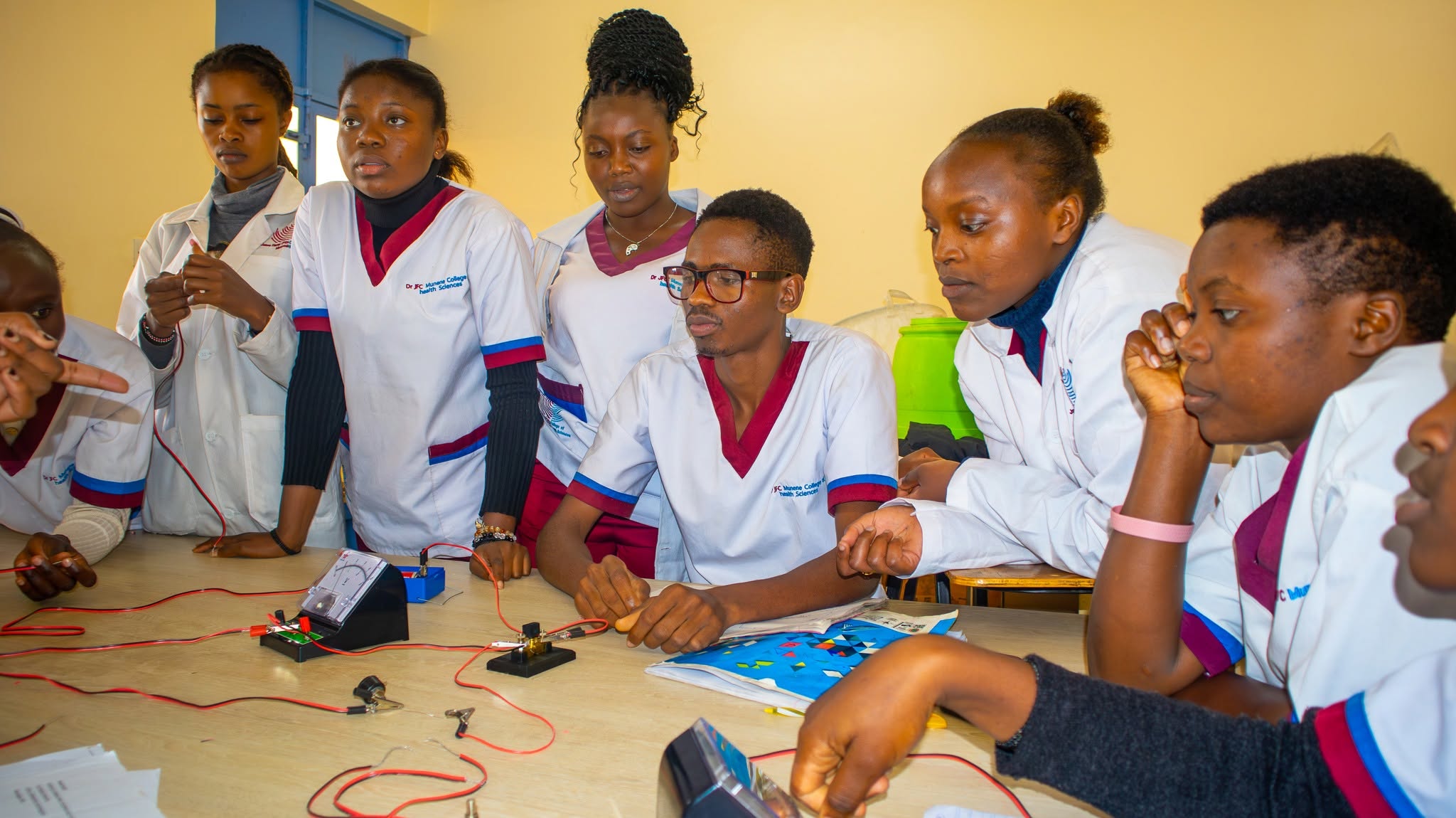
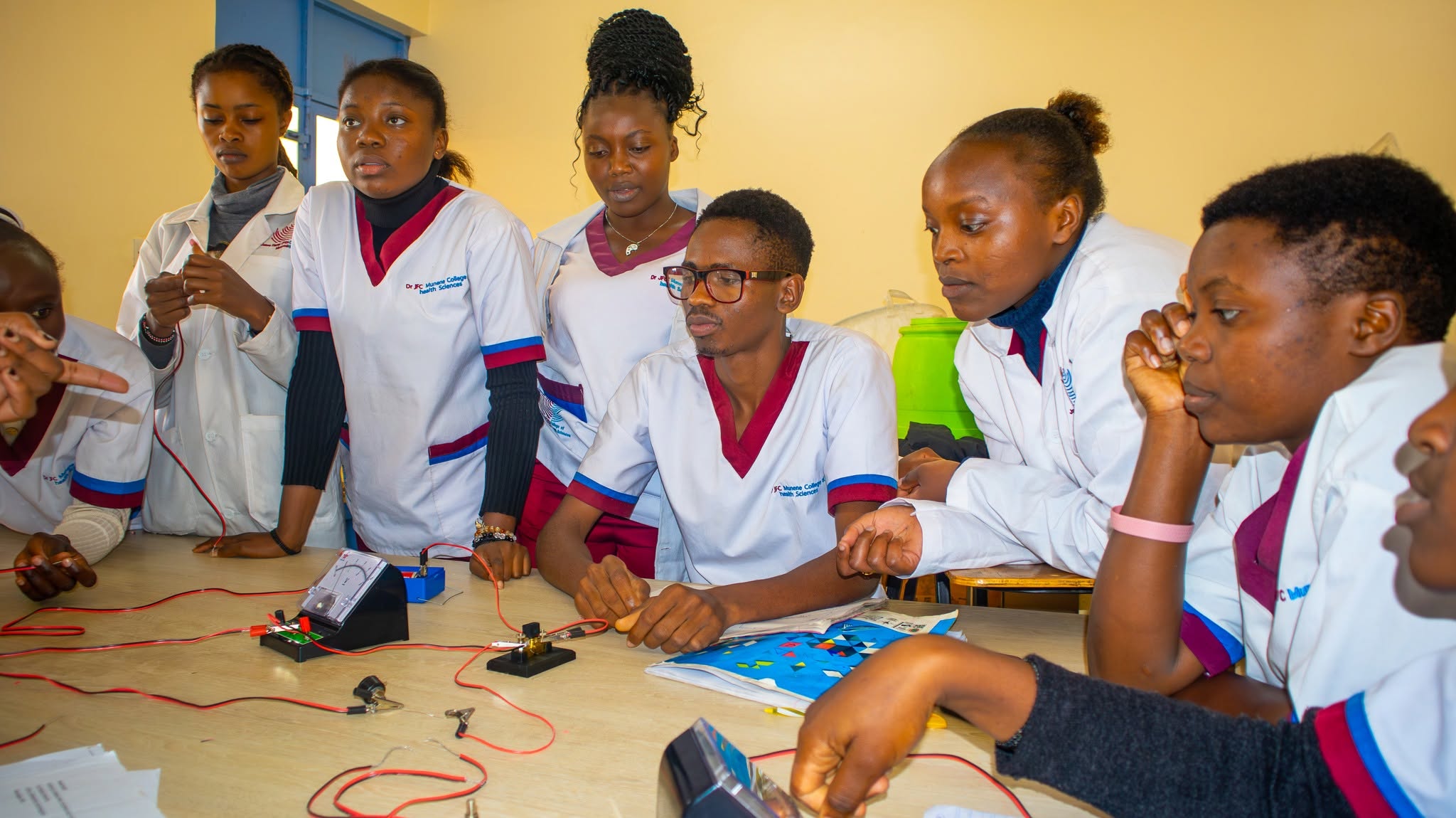
Fully equipped science laboratories
Computer lab with high-speed internet
Simulation rooms for practical training
Library with extensive medical reference materials
Student portal for online learning resources
Clinical training partnerships with leading hospitals
Free Wi-Fi across campus

What Our Students Say

I am very grateful for the knowledge and experience I gained during my studies at JFC. Thank you for opening door to so many opportunities and for setting me up for success.

Diana Rapando

Alumni

Gallery

Gallery image 1Gallery image 2Gallery image 3Gallery image 4

Frequently Asked Questions

What are the entry requirements?

KCSE mean grade C- (minus) and above. Specific subject requirements apply per course. Equivalent qualifications are also considered.

How much are the tuition fees?

Tuition fees vary by program. Contact our admissions office for detailed fee structures and payment plans.

When are the intake periods?

We have 6 intakes yearly: January, March, May, July, September, and November. You can apply at any time.

How long is the application process?

Applications are processed within 1-2 weeks. Once accepted, you will receive an admission letter via email.

Do you offer accommodation?

Yes, we assist students in finding suitable accommodation near the campus. Contact admissions for details.

Is financial assistance available?

We offer flexible payment plans and have partnered with Rafiki Microfinance Bank for education loans.

What certification will I receive?

Graduates receive a Diploma in Diploma in Biotechnology from JFC Munene College, accredited by TVETA.

Are there internship opportunities?

Yes, we have clinical placement partnerships with leading hospitals and healthcare facilities.

Can I study while working?

We offer flexible class schedules including weekday morning, evening, and weekend classes.

How do I apply?

You can apply online through our website, visit the campus, or call our admissions office for assistance.

Loading questions...

Application Process

01

Submit Application

Fill out the online application form

02

Upload Documents

Submit KCSE results & ID

03

Receive Letter

Get your admission letter

04

Pay Fees

Complete fee payment

05

Begin Classes

Start your learning journey

Contact Admissions

WhatsApp

0700 114 115

Campus

Thika Town, Kiambu County, Kenya

Office Hours

Monday - Friday: 8:00 AM - 5:00 PM, Saturday: 8:00 AM - 1:00 PM

Start Building Your Future Today

Gain practical skills, earn an accredited qualification, and prepare for a rewarding career with industry-focused training at JFC Munene College.